Concrete Driveways: Compare Estimates, Then Decide
Request an estimate, no pressure
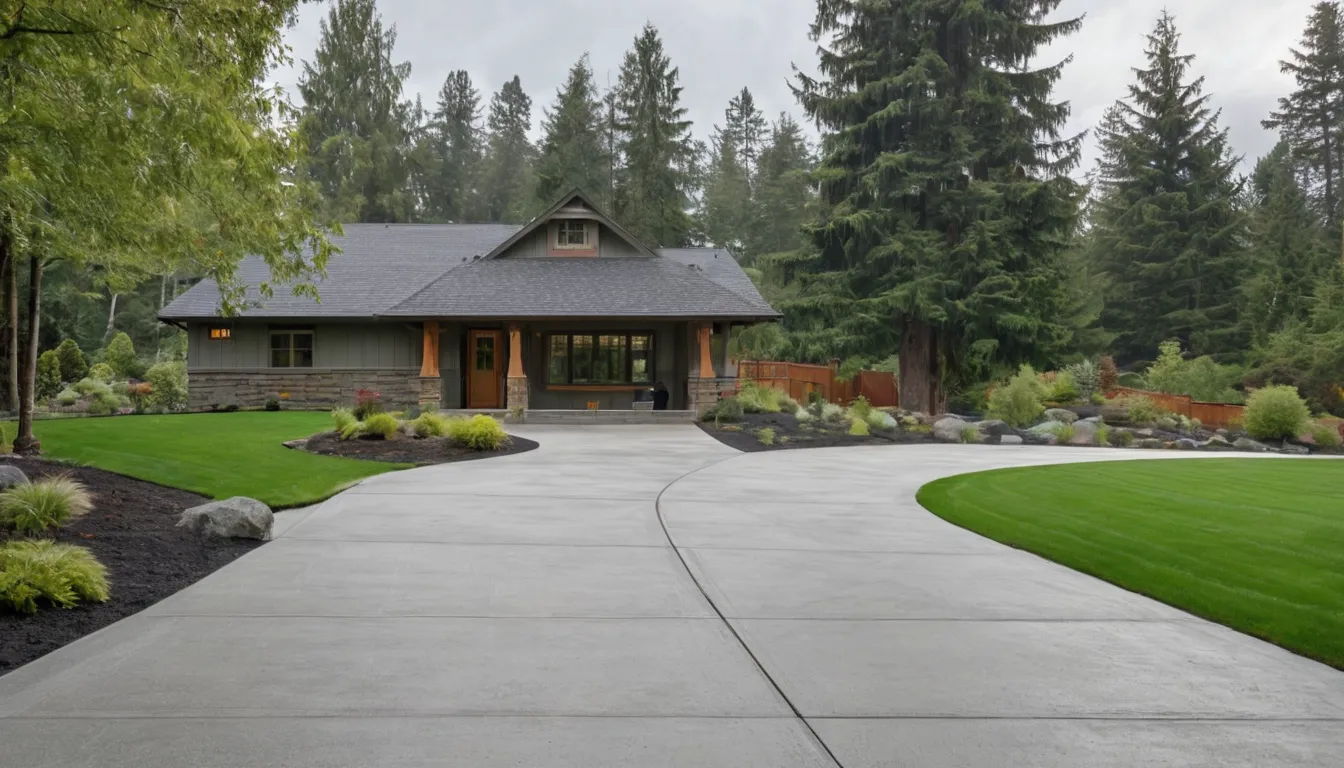
A driveway is the first thing people see and the part of your home you use every day. When it cracks, sinks or stays green with moss, it is normal to worry about the cost and about choosing the wrong person.
Earnedfeel Concrete is a referral service. We do not pour concrete. We connect homeowners in the Seattle area with independent local providers who handle new concrete flatwork. You can compare written estimates side by side, ask your questions, and decide at your own pace. A well-built driveway also protects your home and helps its value when it is time to sell.
Is it time for a new driveway?
Maybe you have patched the same spot twice. Maybe the surface feels rough under your feet. It is fair to wonder if one more patch is worth it, or if a fresh start makes more sense.
This page helps you sort that out. Then it helps you compare providers without feeling rushed.
Signs the old slab has run its course
Some wear is only cosmetic. Other signs point to a deeper problem.
- Wide cracks that keep growing, or cracks with uneven edges
- Sunken sections where water collects in puddles
- Crumbling or flaking surface
- Large areas of heaving or tilting
- Moss and slick patches that return after cleaning
If only one small area is damaged, a provider may suggest a patch. If the damage is spread out, a full replacement can cost less over time than repeated fixes. Looking into concrete driveway repair first is a smart way to know which path fits.
When the damage hints at something bigger
If a slab has dropped or shifted next to the house, the cause may be the soil below. Water that runs toward your foundation can also be a clue. In that case, a driveway provider may suggest you also talk with foundation repair experts before new concrete goes down. Pouring fresh concrete over a moving base only repeats the problem.
What a new driveway project includes
Most projects follow the same general path. Knowing it ahead of time makes quotes easier to read.
Removal and hauling
The old slab is broken up and taken away. Quotes should say who handles disposal.
Base preparation
The ground is graded and a compacted gravel base is added. This step matters a lot in a wet climate, because a good base helps water drain instead of soaking in.
Forms, reinforcement and pour
Wood forms set the shape. Steel bar or mesh is placed inside. Then the concrete is poured, leveled and finished.
Joints and curing
Control joints are cut so the slab cracks in neat lines, not random ones. The concrete then needs time to cure.
Choosing size, thickness and finish
Start with how you use the space. Count your cars, guests and any trailer or boat. A wider spot near the garage or a turnaround can make daily life easier.
For thickness, many home driveways are about four inches. Some providers suggest more for heavy trucks. Ask each provider why they chose their number.
For finish, a light broom texture is a common pick. It gives grip when the surface is wet, which matters during a long rainy season. Other options include exposed aggregate, color, or a border. Those are usually extras, so ask for them as separate lines on the estimate.
Climate and your driveway
Steady rain, damp air and moss are tough on any surface. Ask providers about slope, drainage and sealing. A driveway that sheds water well tends to stay cleaner and safer. Wind and falling branches are a fact of life too, so plan for easy cleanup.
Permits and the street apron
Many cities ask for a permit when a driveway is replaced or widened. The apron is the section where your driveway meets the street or sidewalk. It often has its own rules for thickness and slope.
Ask each provider who handles permits and inspections, and whether the fee is in the quote. Rules differ by city, so check with your local building office.
How to compare estimates calmly
This is where "compare, then decide" really helps. Get at least two or three written quotes. Lay them side by side and look past the bottom line.
- Is the thickness stated?
- Is the base depth listed?
- Is reinforcement included?
- Are removal, permits and cleanup spelled out?
- What is the payment schedule?
A quote that is much lower than the others may leave something out. Ask about it. A good provider is happy to explain.
Choosing a concrete provider
Providers in our network are independent businesses. Before you hire anyone, ask to see proof of license where your area requires it, and proof of insurance. Ask for photos of similar work. Ask how they handle rain delays.
You are never asked to commit. Take your time, and say no to anyone who pushes you.
Protecting your home's value
A clean, well-drained driveway adds to curb appeal. Buyers notice it right away. Good drainage also keeps water away from the house, which protects the structure under it. Doing it right once is kinder to your budget than doing it twice. Pour it right.
After the pour
Keep foot traffic off for a few days and cars off for about a week, or as your provider advises. Keep pets and bikes away from fresh concrete. Wet the surface lightly if the provider suggests it, and avoid de-icing salts in the first year.
Later, sweep often and rinse away moss. Seal the surface if your provider recommends it. Small cracks can be filled early, so they do not grow.
Your next step
You do not need all the answers today. Request an estimate, share a few details, and see what providers say. Or request a callback to check provider availability and talk it through.
What's Included
Old slab removal and haul-off
Breaking up the worn concrete and carrying it away, so the new work starts on clean ground.
Grading and gravel base
A level, packed base helps water drain and keeps the new slab steady.
Forms and reinforcement
Wood forms set the shape, and steel inside helps hold the slab together.
Pour, finish and joints
Concrete is poured, smoothed, textured and cut with joints for neat cracks.
Typical Concrete Driveway Costs in the U.S.
Prices vary by size, site access, soil and local rules. These are general U.S. ranges only, so get a written quote before you decide.
| Item | Typical range | Notes |
|---|---|---|
| Basic broom-finish concrete | $6 – $12 per sq ft | Common choice for standard driveways |
| Old slab removal | $1 – $3 per sq ft | Varies with thickness and haul distance |
| Base and grading | $1 – $3 per sq ft | Higher on sloped or soft ground |
| Colored or exposed aggregate | $10 – $18 per sq ft | Adds look and labor |
| Permit and inspection | $50 – $500 | Set by the local building office |
| Typical two-car driveway | $4,000 – $9,000 | Size, finish and access change the total |
How It Works
Share your plans
Tell us the size, the finish you like and any damage you see on the old driveway.
Get matched with providers
Independent local providers in the network reach out to talk through your project and visit.
Compare written quotes
Put the quotes side by side and look at thickness, base, permits and extras.
Choose when you are ready
Pick the provider that feels right, or take more time. The choice stays yours.
Why Call Earnedfeel Concrete
Compare, then decide
Review quotes side by side from independent providers, with no pressure to choose any of them.
Plain guidance
Simple answers about thickness, drainage and permits, so you know what to ask before you talk.
Local providers
Providers in the network work in your area and know its rain, soil and city rules.
No obligation
Asking for an estimate does not commit you. Take the time you need.
Other Services
Need concrete driveways in Seattle?
Tell us about your driveway or patio plan. Request an estimate and compare local providers at your own pace, with no obligation.
Concrete Driveways FAQ
How much does a new concrete driveway cost?
In the U.S., many new driveways run roughly $6 to $12 per square foot, and a two-car size often lands between $4,000 and $9,000. Site access, removal and finish change the price, so get written quotes.
How thick should a concrete driveway be?
Many home driveways are poured about four inches thick. Heavier vehicles may call for five or six inches or added steel. Ask each provider why they chose their thickness and what base they plan to use.
Do I need a permit to replace my driveway?
Many cities do require one, especially for widening or work on the street apron. Rules vary, so check with your local building office and ask each provider whether permit handling is part of the quote.
Get in touch
Tell us about your driveway or patio plan. Request an estimate and compare local providers at your own pace, with no obligation.
No obligation